Environmental and social responsibility

Measured progress, not marketing claims

We treat sustainability as an operational discipline: tracking water, energy and chemistry per kilogram of finished garment, documenting audits, and publishing targets measurable against a baseline.

Focus areas are narrow on purpose: water reuse in finishing, verified chemistry in dyeing and washing, responsible cotton and recycled fibres, and audited social compliance in our facility and partner laundries.

Reduction percentages, certifications and audit results below are stated as targets, ongoing commitments or in-progress items. Exact figures should be confirmed with our team before use in tenders.

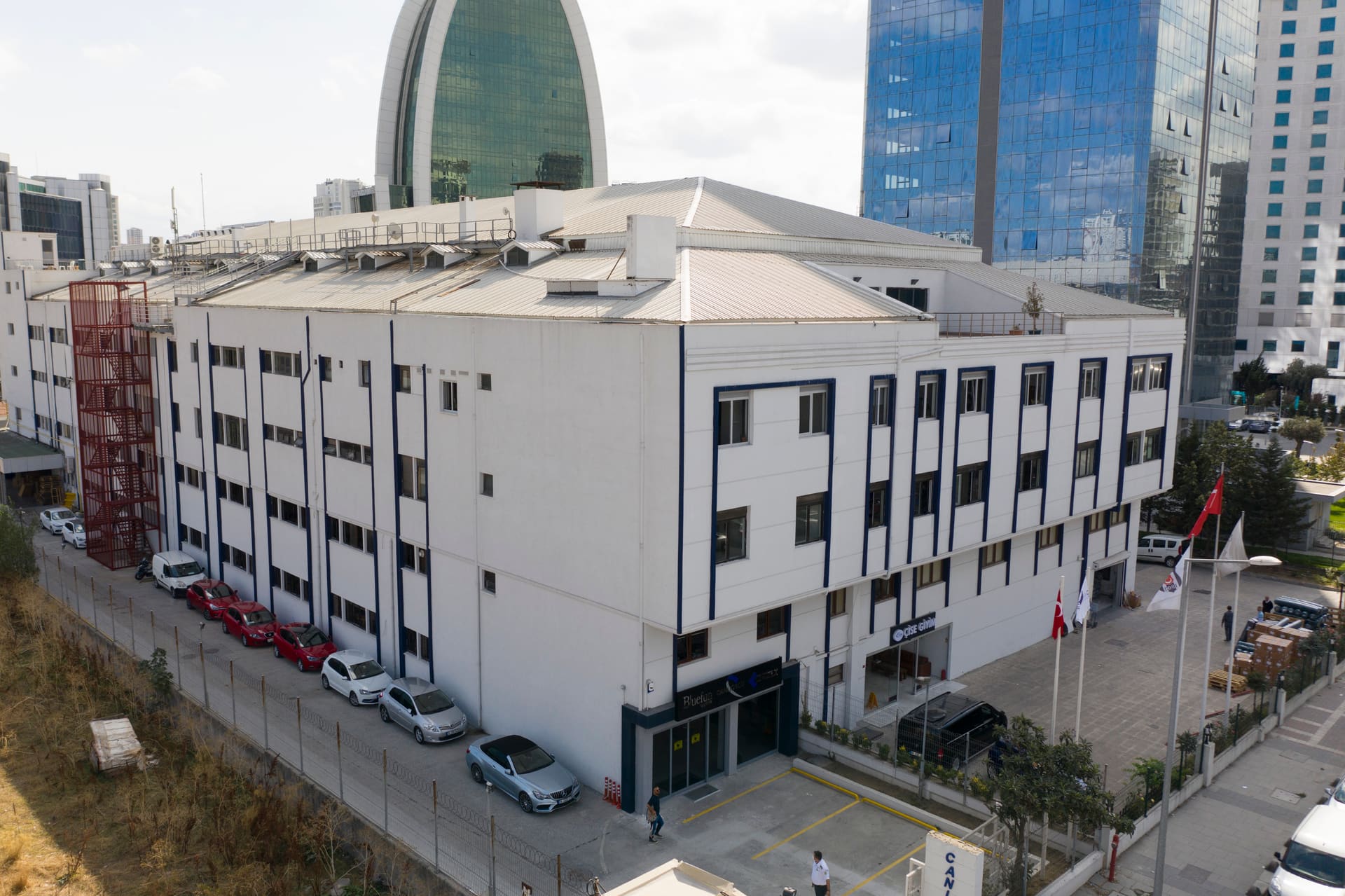
Canlioglu Tekstil facility from above

Commitments we measure

Four areas with a target, a baseline and a status

Each commitment is framed the same way: what we target, what we measure it against, where we stand. No absolute claims without a baseline.

Wet-process recovery equipment

Water

Reducing freshwater use in garment finishing

Denim finishing is water intensive. With partner laundries we are pursuing rinse-water capture, treatment and reuse where process quality allows.

Target
25 to 40 percent reduction in freshwater per garment
Baseline
Against 2022 wash recipes
Status
In progress with partner laundries
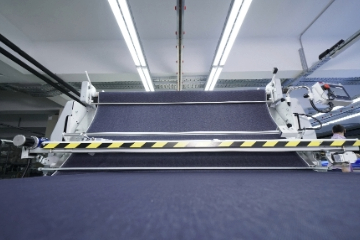
Production floor machinery

Energy

Lower energy intensity, cleaner sources

Reducing kWh per finished garment through equipment renewal and on-site efficiency work, and increasing low-carbon electricity share over time.

Target
15 to 25 percent lower energy intensity
Baseline
Against 2022 production mix
Status
Measurement framework live; reductions in early phase
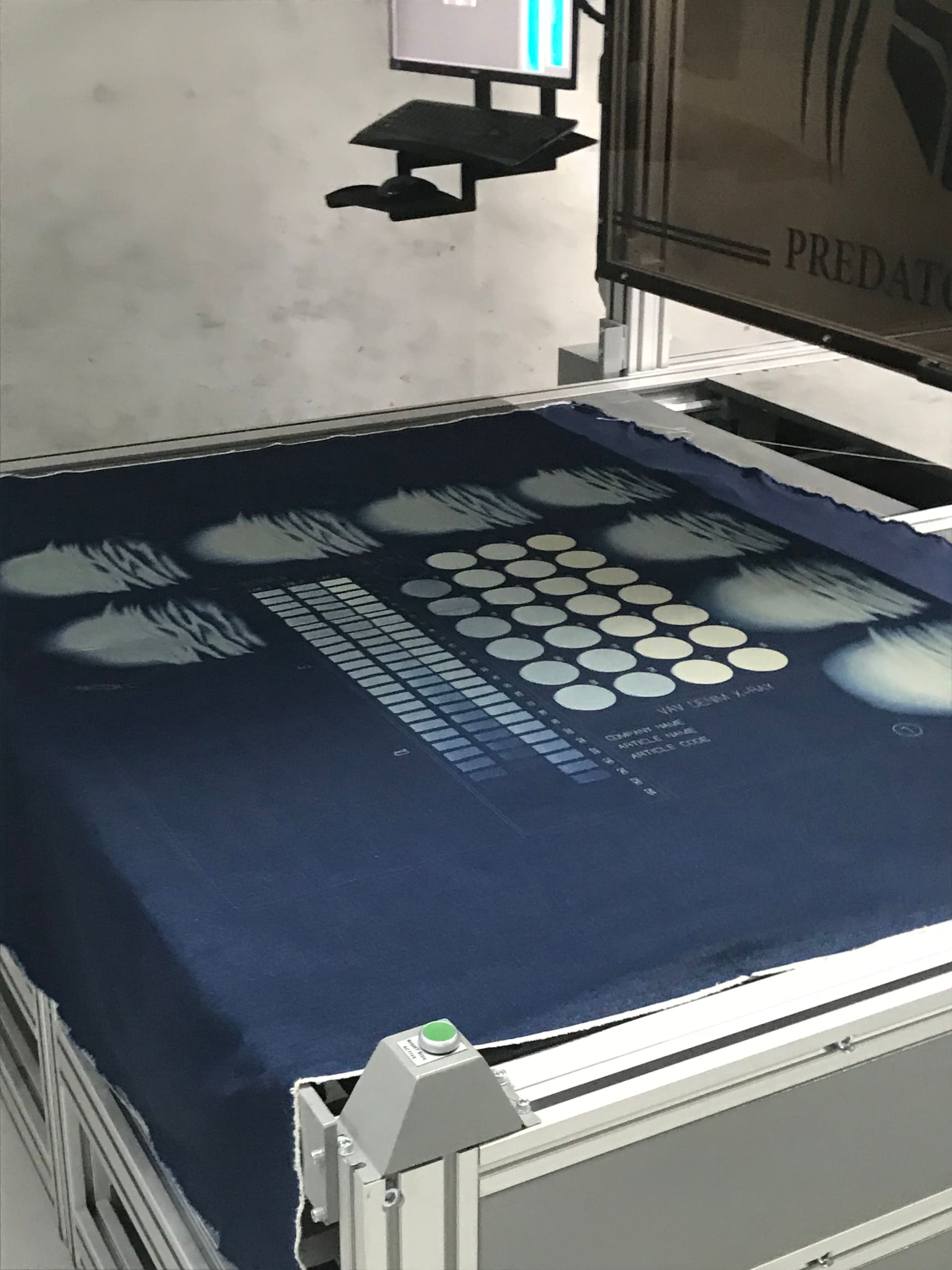
Fabric dye and print process

Chemistry

Verified chemistry in wet processes

Working with partner laundries on ZDHC MRSL alignment; target is 100 percent of bulk chemicals in wet processes verified against an accepted restricted substances list.

Target
100 percent MRSL-compliant bulk chemicals
Baseline
Against current chemical inventory
Status
Targeting full coverage; audit underway
Branded recycled packaging cartons

Waste

Less cutting-room and packaging waste

Cutting-room offcuts are sorted by composition and routed to recyclers where feasible. Primary packaging is moving to recycled polybags and kraft inserts as contracts renew.

Target
Zero cutting-room waste to landfill
Baseline
Sorted streams from 2024
Status
Rolling out with recycler partners

Certifications and audits

Standards we operate under or are pursuing

Below are standards we hold, are actively pursuing for our facility, or verify at partner level. Certificate numbers and validity dates are available on request.

Environmental and product standards

  • OEKO-TEX Standard 100Pursued or held for selected fabric and finished-goods ranges. Scope and certificate number to be confirmed.
  • GOTSRelevant for programs using certified organic cotton. Handled style-by-style with certified partner mills.
  • GRS / RCSGlobal Recycled Standard and Recycled Claim Standard, used for programs with pre- and post-consumer recycled content.

Social compliance and ethical trade

  • amfori BSCIWe commit to the amfori BSCI Code of Conduct and accept BSCI audits at our own facility. Current audit status and rating to be confirmed.
  • Sedex SMETA 4-PillarSedex SMETA 4-Pillar audits accepted: labour standards, health and safety, environment, business ethics.
  • Internal compliance reviewQuarterly internal review of working hours, wages, grievance logs and subcontracting records, reported to management.

Items marked as pursued or to-be-confirmed require explicit verification by our team before being cited in tenders or B2B communications.

Supplier code of conduct

What we expect from everyone in our chain

We ask fabric mills, laundries, trim suppliers and subcontractors to work to the same standards we commit to. Our code is aligned with amfori BSCI and Turkish labour law.

The code is reviewed annually. Suppliers sign on onboarding and after any major scope change; findings are followed up with a corrective action plan rather than walking away at the first issue.

Request the code of conduct
  • 01

    Labour rights and wages

    No forced or child labour. Freedom of association and collective bargaining respected. Wages meet or exceed the legal minimum and are paid on time.

  • 02

    Health and safety

    Safe workplaces, accessible PPE, clear emergency exits, trained first responders and documented risk assessments wherever chemicals, heat or machinery are in use.

  • 03

    Transparent subcontracting

    Subcontracting is allowed only with prior written approval. Nominated subcontractors work under the same code and audit rights.

  • 04

    Responsible materials

    Traceable fibre sourcing, preference for certified sustainable cotton and recycled fibres, and documented avoidance of restricted-chemistry substances in wet processes.

  • 05

    Environmental management

    Legal compliance on discharge and emissions, credible water and energy monitoring, and progress reporting on reduction targets with escalation if targets slip.

Reporting and transparency

How we report, and how findings get acted on

Sustainability only holds up if paperwork matches the floor. These three workstreams keep our claims grounded.

Supply-chain traceability

Fabric mills, laundries, trim vendors and subcontractors are recorded per program. Finished garments can be traced back to fabric mill and wash recipe.

Audits and corrective actions

External audits (BSCI, SMETA, customer) are scheduled, findings logged, and corrective actions closed with evidence and re-check dates.

Grievance channel

A confidential channel is open to workers and suppliers. Complaints are reviewed by compliance within a defined SLA and summarised in the quarterly review.

Let's talk about your next program.

Contact us